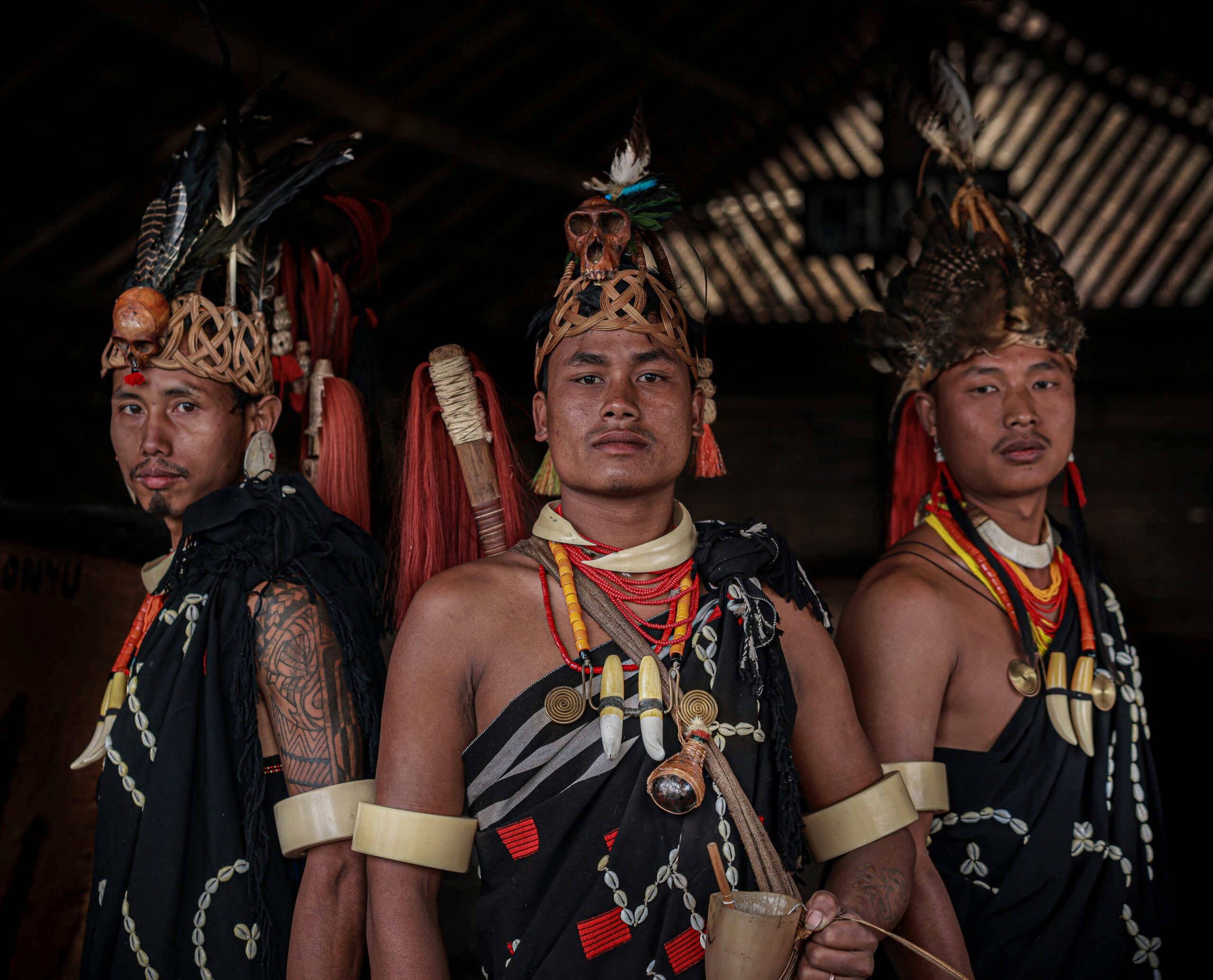
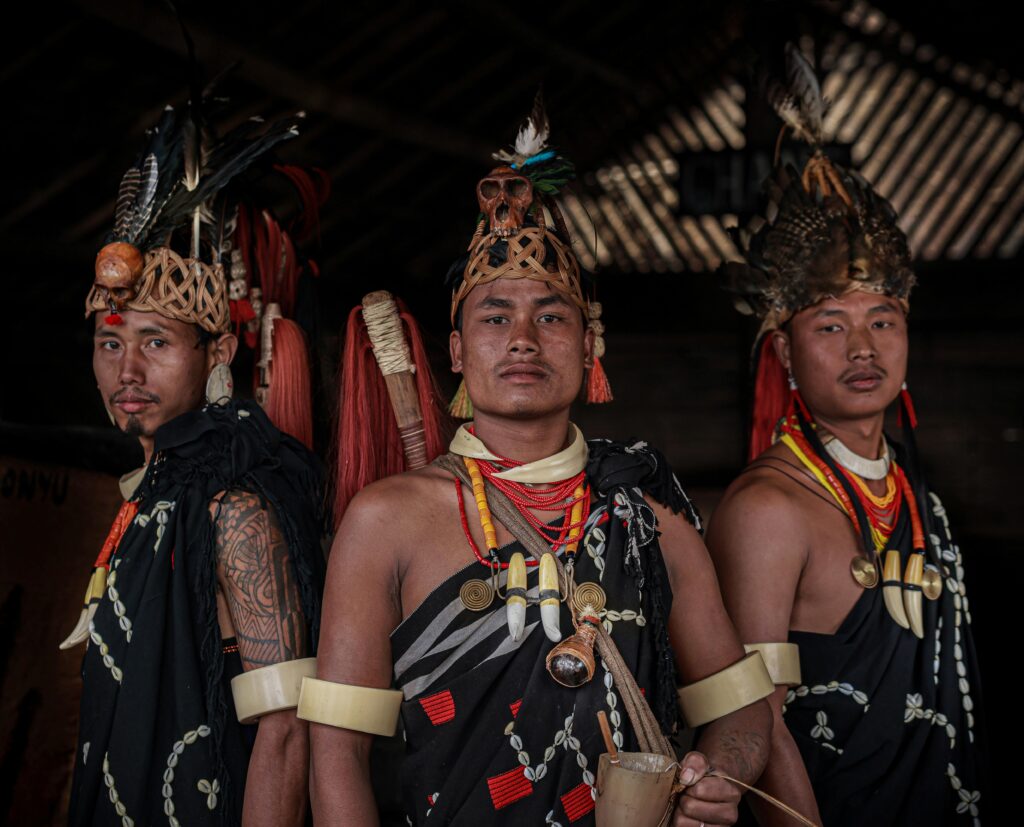
Nagaland, nestled in the northeastern corner of India, is a timeless treasure of culture, nature, and tradition. Often called the Land of Festivals, this hilly state is home to numerous tribal communities, lush forests, rare wildlife, and vibrant festivals. Whether you’re a culture buff, adventure seeker, nature lover or a foodie, Nagaland offers a rich tapestry of experiences. In this post, we dive into what makes Nagaland unique, what to see and do, how to plan your visit, and why it deserves a spot on your travel bucket list.
Where is Nagaland & What Makes It Unique
Nagaland shares its borders with Assam to the west, Arunachal Pradesh and a part of Assam to the north, Myanmar (Burma) to the east, and Manipur to the south. It is mostly mountainous, with valleys, forests, and rivers shaping its terrain. Incredible India+2tourism.nagaland.gov.in+2
What makes Nagaland special:
- Tribal diversity: It has over 17 major Naga tribes (Angami, Ao, Chakhesang, Chang, Khiamniungan, Konyak, etc.), each with distinct languages, customs, festivals, dress and crafts.
- Festivals: Vibrant tribal festivals, particularly the Hornbill Festival (held annually from December 1‑10), unite the tribes in music, dance, indigenous games, crafts, food and traditional rites.
- Nature & biodiversity: From pristine mountain ridges and terraced fields to sanctuaries housing rare species like the Blyth’s tragopan, clouded leopard and hoolock gibbon.
Why Visit Nagaland?
Nagaland is more than just a travel destination — it’s a living, breathing museum of heritage, preserved through tribal customs, ancient festivals, traditional crafts, and sustainable lifestyles. The state is home to over 16 major tribes, each with its own language, dress, music, and customs. This diversity makes Nagaland one of the richest cultural regions in India.
For travelers, Nagaland offers:
- Cultural immersion through festivals, village life, and tribal hospitality
- Scenic beauty, from rolling hills to lush forests and hidden valleys
- Trekking and adventure tourism, with trails that cut through some of India’s most untouched landscapes
- Wildlife and nature experiences, including birdwatching and eco-tourism
- Offbeat and low-crowd travel—a haven for those avoiding over-touristed area
Top Places to Visit in Nagaland
1. Kohima – The Cultural Capital
Kohima, the capital of Nagaland, is a blend of modern development and rich tribal heritage. It is best known for the Hornbill Festival, held every December, where tribes across Nagaland gather to showcase their dances, music, crafts, and cuisine. While in Kohima, don’t miss:
- Kisama Heritage Village
- Kohima War Cemetery – a memorial from World War II
- State Museum – for a deep dive into tribal history and artifacts
- Pulie Badze Trek – for panoramic views of Kohima and surrounding hills
2. Dzukou Valley – The Valley of Flowers
Often called the Valley of Celestial Charm, Dzukou Valley is a trekker’s paradise. Located at the border of Nagaland and Manipur, the valley is famous for its rolling green hills, seasonal flowers (including the rare Dzukou Lily), and tranquil streams. It’s one of the most photographed and eco-rich spots in Nagaland.
3. Khonoma – India’s First Green Village
Khonoma is not just a scenic village; it is a story of environmental revival. The locals here banned hunting and logging decades ago, transforming the area into a biodiversity hotspot. Visit Khonoma for:
- Community-based eco-tourism
- Nature walks and birdwatching
- Traditional Angami tribal hospitality
- Sustainable agriculture and forest conservation models
4. Mon – The Land of the Konyak Headhunters
Far off in northeastern Nagaland lies Mon, home to the legendary Konyak tribe, once known for their headhunting traditions. Today, they are artisans, craftsmen, and proud guardians of their warrior past. Villages like Longwa (which straddles the India-Myanmar border) give visitors a unique experience of:
- Meeting tattooed elders and chieftains
- Observing tribal firearms, jewelry, and woodwork
- Experiencing daily life in a remote frontier village
5. Mokokchung – The Heart of Ao Naga Culture
Mokokchung is the cultural epicenter of the Ao tribe, known for their hospitality, traditional dances, and structured village life. With scenic hills and clean towns, Mokokchung is perfect for travelers wanting a quieter, less-touristed part of Nagaland.
Nagaland’s Unique Culture
Tribal Diversity
Nagaland’s tribes are deeply rooted in oral traditions, folklore, and community living. Each tribe—such as Ao, Angami, Sema, Lotha, Chakhesang, and Konyak—has distinct festivals, dialects, attire, and customs. Despite modernization, tribal identity remains strong, visible in everything from village governance to marriage customs.
Festivals of Nagaland
Every month in Nagaland feels like a celebration, but Hornbill Festival (1–10 December) is the crown jewel. Called the “Festival of Festivals”, it brings together all tribes in one grand cultural showcase of dance, sport, cuisine, and craft.
Other notable festivals include:
- Moatsu (Ao Tribe) – Spring celebration of sowing
- Sekrenyi (Angami Tribe) – Purification festival
- Aoling (Konyak Tribe) – Celebration of harvest and fertility
Traditional Crafts & Art
Nagaland is a treasure trove of handwoven textiles, bamboo and cane products, wood carving, and beadwork. Naga shawls, each with symbolic tribal patterns, are among the most sought-after items. The vibrant colors and bold designs of Naga crafts reflect their warrior spirit and closeness to nature.
Naga Cuisine: A Spicy, Smoky Delight
Naga food is simple yet intense, with flavors derived from fermented bamboo, smoked meats, chili pastes, and wild herbs. Some popular dishes include:
- Smoked pork with bamboo shoot
- Axone (fermented soybean) curry
- Zutho (rice beer)
- Galho (rice and vegetable stew)
Naga cuisine is also famous for its use of the Bhut Jolokia (Ghost Pepper)—once the world’s hottest chili!
How to Reach Nagaland
- By Air: The nearest airport is Dimapur, connected to major cities like Kolkata and Guwahati. From Dimapur, you can travel by taxi or bus to Kohima.
- By Train: Dimapur Railway Station is the primary railhead.
- By Road: Nagaland is well-connected to Assam and Manipur via scenic but winding mountain roads.
Best Time to Visit
- October to April is the best time, offering clear skies, pleasant weather, and access to festivals.
- December is especially popular due to the Hornbill Festival.
- Avoid the monsoon (June to September) as landslides and roadblocks are common in hilly areas.
Travel Tips for Nagaland
- Inner Line Permit (ILP): Required for Indian citizens traveling to Nagaland. Can be applied online or at entry points.
- Cultural Sensitivity: Always ask before photographing locals, especially in tribal villages. Dress modestly and respect local customs.
- Stay Connected: Internet and mobile networks may be weak in remote areas.
- Eco-Conscious Travel: Carry your own reusable bottles and bags. Avoid plastic waste and leave no trace in nature.
Final Thoughts
Nagaland is one of India’s best-kept secrets. Its vibrant tribes, pristine landscapes, and rich history make it a unique and enriching destination. Unlike mainstream tourist spots, Nagaland offers genuine connection, raw beauty, and cultural depth. It’s not just a place to visit — it’s a place to understand, feel, and remember.
Whether you’re trekking through cloud-covered valleys, dancing at a tribal festival, or sharing a meal in a local’s home, Nagaland promises moments that will stay with you forever.