

Japan isn’t just a place you visit — it’s a country that quietly transforms you. One moment, you’re lost in the endless glow of Tokyo’s neon skyline. The next, you’re standing beneath ancient cedar trees in Kyoto, the scent of incense curling through the still air. Whether you’re a solo traveler with a camera and curiosity, a family chasing cherry blossoms and theme parks, or a couple looking for slow moments and timeless views, Japan opens its doors gently — and leaves them open long after you return.
The beauty of traveling through Japan is in its duality. Tokyo, the capital, feels like the future — but it remembers the past. In Shibuya, a thousand people cross the street in perfect rhythm beneath blinking billboards, yet just a train ride away, in Asakusa, monks still chant at Senso-ji Temple while visitors sip matcha from centuries-old teacups.
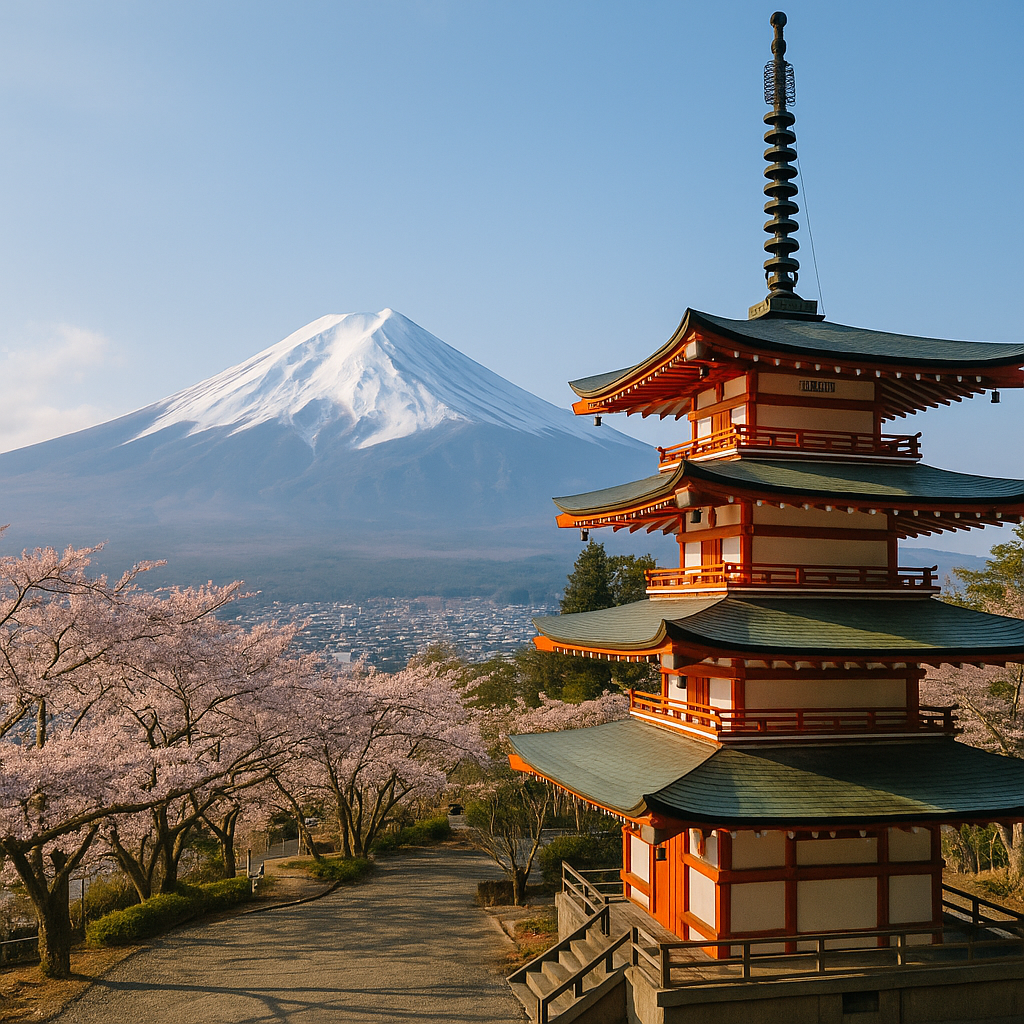
For solo travelers, Tokyo offers comfort in its structure. It’s safe, silent on trains, and full of single-seat ramen booths at places like Ichiran. It’s easy to get around with a prepaid IC card and a smartphone — no one will question you for eating alone or spending hours people-watching at a vending machine café. The freedom here is profound.
But for families, the city is just as inviting. In Odaiba, kids can design their own cup noodles, walk through rainbow-lit tunnels in teamLab Planets, or wave at a life-size Gundam robot. Convenience stores are stocked with kid-friendly bento boxes for just a few dollars, and everything runs on time — a blessing when little ones are involved.
Heading west, Kyoto is the opposite of Tokyo in almost every way. Here, time slows. You walk, not run. You listen, not scroll. You follow the soft clicking of geta sandals in Gion, the geisha district, and pass wooden teahouses untouched by the 21st century. It’s where temples aren’t just buildings — they’re experiences.
Fushimi Inari, with its endless path of red torii gates climbing into the hills, isn’t something you just photograph. You walk through it slowly, as the light filters down and everything — even your thoughts — goes quiet.
For couples, Kyoto is romance in its purest form: a ryokan stay with tatami floors and futons, a private onsen bath, and a dinner served with delicate precision. For families, it’s education wrapped in wonder — gold-leaf temples, bamboo forests, even a monkey park high above the city. And for solo travelers, it’s a place that gently asks you to be present — to sit still in a garden, to listen to wind chimes, to breathe.
Then comes Osaka — loud, funny, unapologetically delicious. If Tokyo is efficiency and Kyoto is grace, Osaka is joy. The Dotonbori district is all color and chaos: giant mechanical crabs, glowing signs, and the constant smell of takoyaki sizzling in open pans. Street food is king here. For under $10, you can eat your way through an entire night — from deep-fried kushikatsu skewers to savory okonomiyaki pancakes, all with friendly strangers shouting “Oishii!”
Families find excitement at Universal Studios Japan, while friend groups or couples can dive into local izakayas or karaoke bars late into the night. Even solo travelers will find it hard not to smile — Osaka makes everyone feel like part of something.
For those who want a quieter, more artistic experience, Kanazawa is a train ride into the soul of old Japan. The samurai district, with its preserved houses and peaceful lanes, feels untouched. Omicho Market is where gold leaf is sprinkled on your ice cream, and the 21st Century Museum offers art that makes you pause — and feel.
Wherever you go, Japan offers practicality alongside poetry. Clean hotels range from $60 to $150 a night. Meals, from humble bowls of ramen to 10-course kaiseki, can fit any budget. A Japan Rail Pass saves you hundreds if you plan to move between cities, and even the convenience stores serve better food than most fast-food joints in the West.
Timing matters. Spring brings cherry blossoms; autumn, golden leaves. Winter offers onsen towns blanketed in snow. And summer, though hot, is packed with fireworks and festivals.
But the real secret to Japan is not what you see — it’s how you feel while seeing it. The way people bow slightly in gratitude. The orderly lines. The sound of temple bells at dusk. The quiet of a train full of strangers who all agree on silence. It teaches you something — about respect, about stillness, about beauty.
Travelers often arrive with a checklist of shrines, sushi, and snapshots. But they leave with something else entirely: a sense of being grounded in a country that values both efficiency and emotion. Japan doesn’t try to impress you. It invites you to understand it.
And that, perhaps, is why so many visitors say the same thing when they leave:
“I’ll be back.”
For a very different but equally memorable cultural experience, explore our blog on Denmark in Summer — where cozy villages and coastal adventures await.
Japan is definitely now on my list .
Info is too good…
I wish I could visit the place…
Pingback: 🇯🇵 Japan Travel Part III: The Ultimate & Best Hidden Islands and Sacred Traditions to Explore - planyourtravels.in
Pingback: 🇯🇵 A Journey Through Japan, Part II: The Ultimate Guide to Hidden Places and Quiet Escapes - planyourtravels.in
Great insight, like this part will go through other parts as well